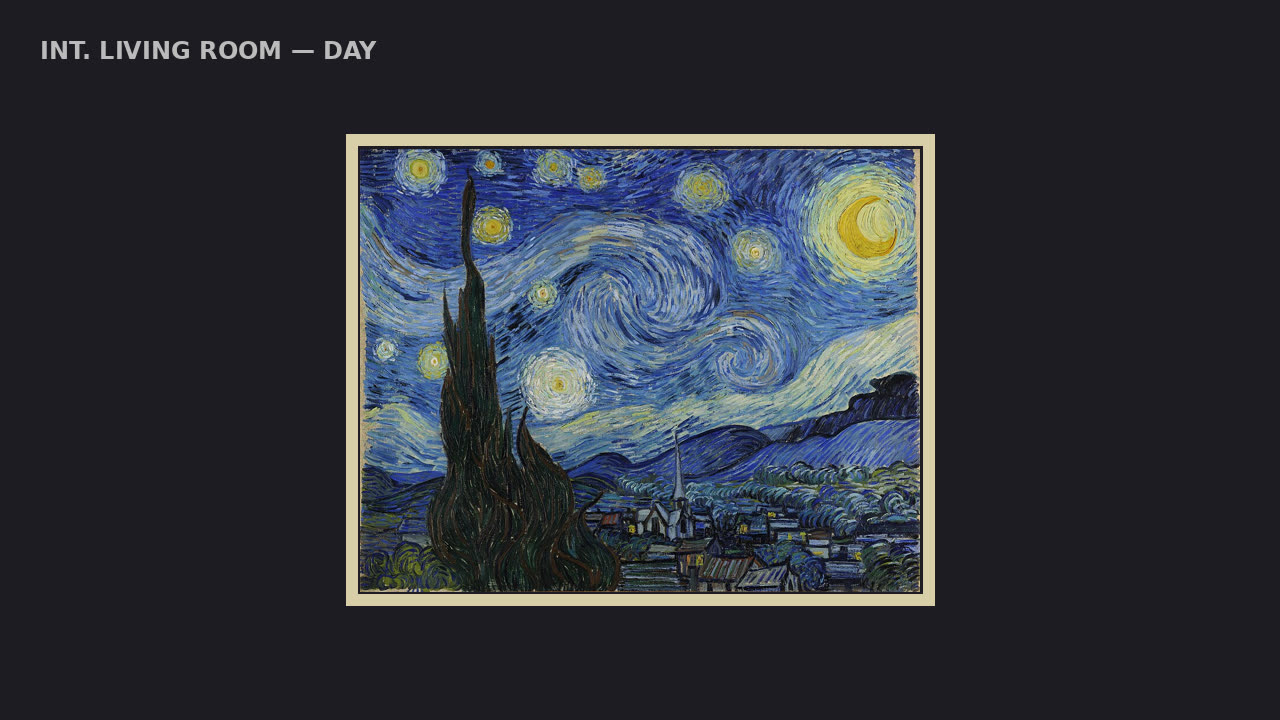
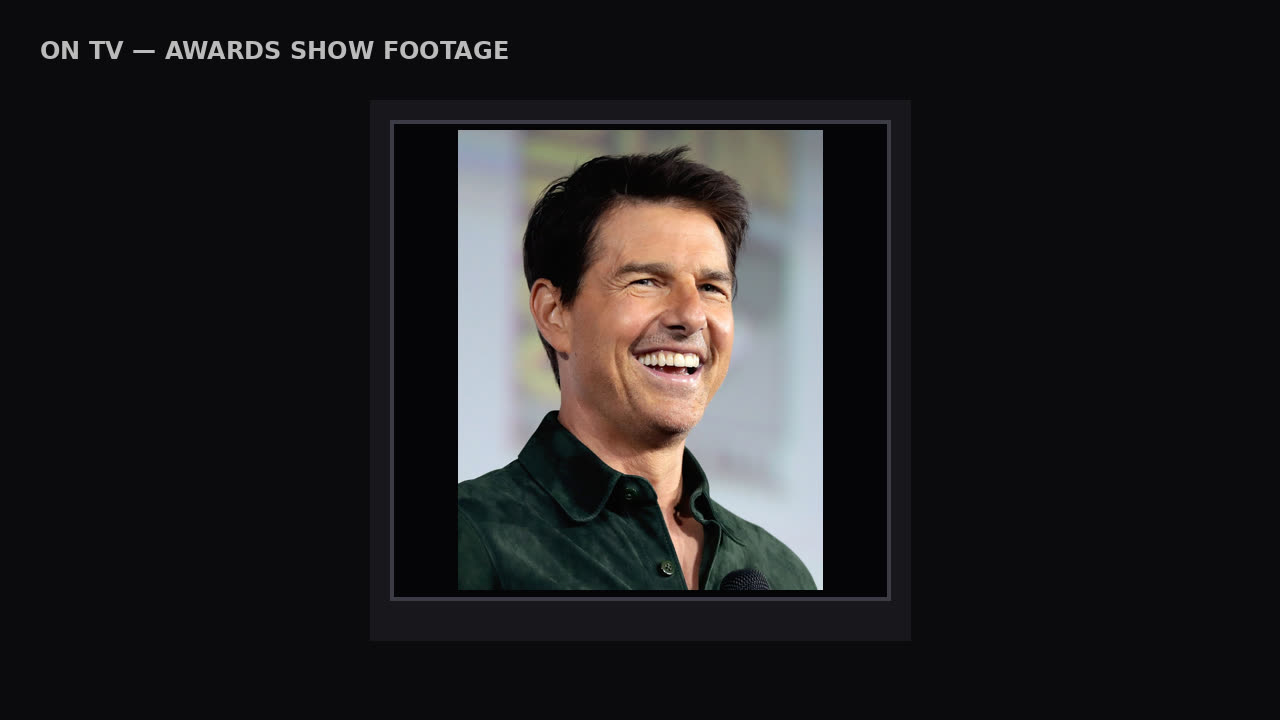
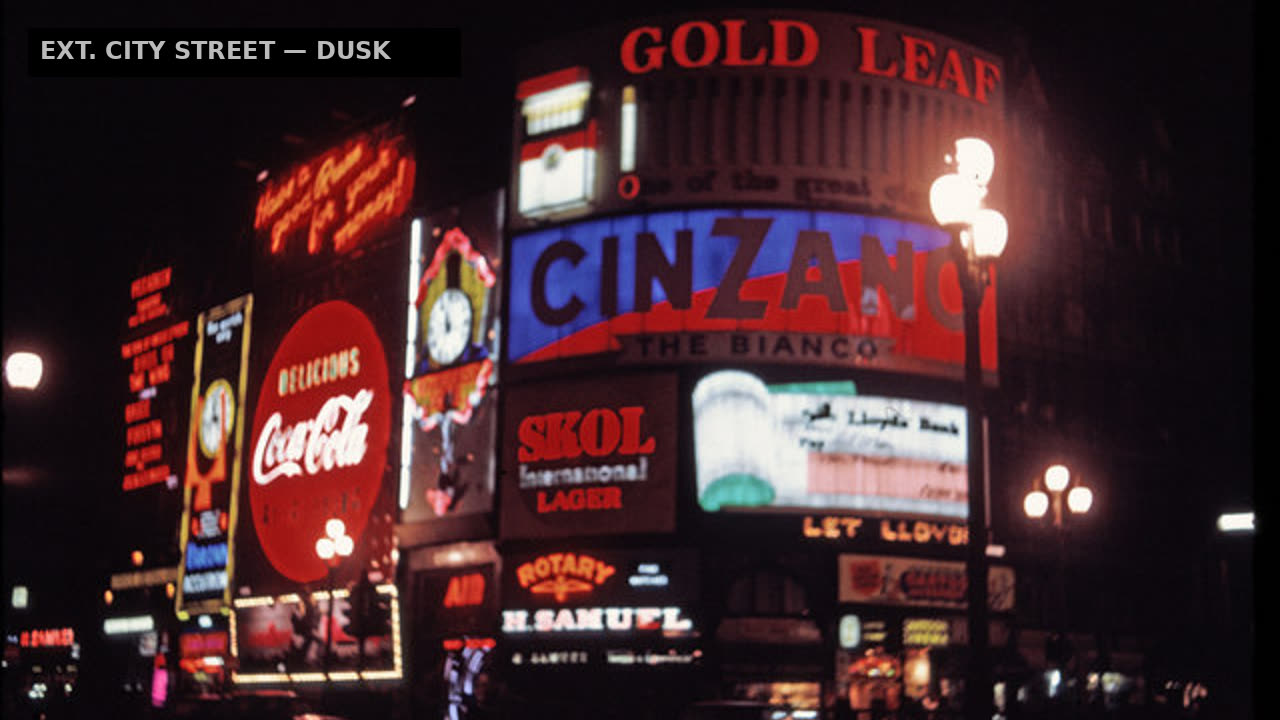
Clearcut watches your cut, flags every trademark, artwork, face, sign and music cue, researches who owns it, drafts the paperwork and hands your attorney an E&O-ready package — in minutes, not weeks.
“Distributors won't touch a film without E&O insurance. Carriers won't bind a policy until every clearance issue on screen is resolved.”
Four agents on Google's Agent Builder. Gemini for perception. Parallel for research. Rulers made of ffmpeg keeping the model honest. One human holding the pen.
The visual pass names the element and its window; the audio pass segments music cues with silencedetect windows Gemini labels.
Every flag becomes a research objective, at runtime, through Parallel's Search API or its MCP server.
Gemini synthesises the evidence into a dossier and says "unverified" when it is thin. Paper Chase drafts the request; a human sends it.
Scene-by-scene report, PRO-style cue sheet, the twelve standard procedures — one PDF for the attorney of record.
The draft was generated from the dossier; the sanitizer replaced an address the model invented with "[contact address to be verified]". A human sends it. The dossier's recommendation is the fleet's; the signature is not.
Every number below is reproducible from the repository — the ground-truth JSON sits beside each film.
| Film | Difficulty | Planted | Detected | Cues ±3 s | Spurious |
|---|---|---|---|---|---|
| the_errand | baseline salted film | 5 | 5 | 2 / 2 | 0 |
| backlot | small + occluded items | 4 | 4 | 1 / 1 | 1 · our own fake masthead |
| control | multi-item frame · no music (false-positive control) | 3 | 3 | 0 / 0 | 0 |
| synthetic | synthetic-style frames (AI-film mode) | 3 | 3 | 2 / 2 | 0 |
| Total | 4 films · precision 0.938 · 0 false positives in negative zones | 15 | 15 | 5 / 5 | 1 |
Script mode found 19 / 19 salted entities in the sample screenplay. Full benchmark → · Source on GitLab →
No. Clearcut flags, researches, drafts and recommends. Clearance decisions are made and signed by your attorney of record — the product is built so that no agent, tool or endpoint can mark anything Cleared.
Yes. Detection watches pixels and audio, not provenance. Generated films carry extra risk — invented brands, synthetic likenesses of real people, reproduced characters and artwork — and those land as the same flag types. Provenance (C2PA) and platform disclosure checklists are on the roadmap.
In the hackathon build, uploaded clips are processed and deleted after the run; only the docket (flags, dossiers, report) is kept. Projects are remembered per browser. Accounts with roles are the next step.
We salt our own test films with known clearance landmines and publish precision, recall and cue accuracy per film. The one "spurious" flag on the current set is a fake magazine masthead we drew ourselves — reported anyway.
Yes. Clearcut runs as an MCP server (projects, docket, detect, research, draft, report, cue sheet — deliberately no "mark cleared"), and the Rights Sleuth consumes Parallel's MCP server for research. Any MCP-aware host can call the clearance department.
Gemini for perception and synthesis, Google Cloud Agent Builder (ADK) for the fleet, Parallel Search API and MCP for research at runtime, ffmpeg for the rulers. Apache-2.0 on GitLab.